
Emma Turnbull Lawyers Blog
What Evidence Should You Preserve After a Drink or Drug Driving Charge?
235+ Google Reviews
You have been stopped by police. You’ve undergone a breath or drug test. Perhaps your licence has been immediately suspended. You’ve been given paperwork and a court date. What should you do next?
One of the most useful things you can do is deceptively simple, preserve the evidence now.
If the allegation later needs to be examined or disputed, information that seems insignificant today may become important.
And some evidence, particularly CCTV, electronic records and memory of precise timings, may not be available forever.
Keep everything police gave you
Do not throw the paperwork in the glovebox and forget about it.
Keep any:
- infringement notice
- charge sheet
- immediate suspension notice
- testing documentation
- other material supplied by police
Read it. The precise offence alleged matters because different drink and drug-driving offences can involve different legal issues and consequences.
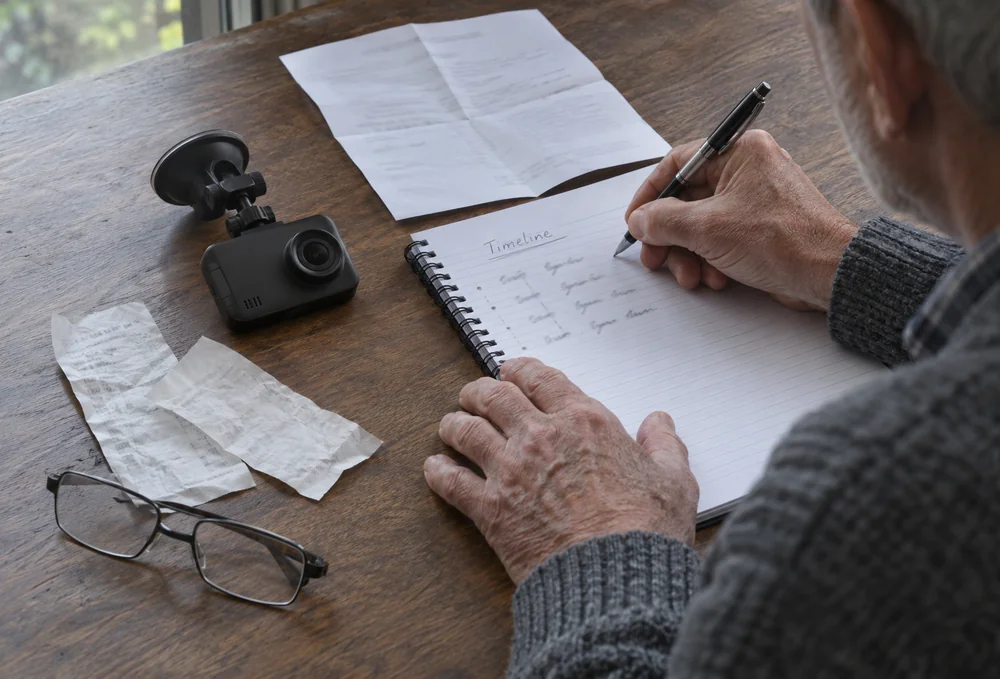
Write down what happened while you remember it
Do this as soon as reasonably possible.
Record:
- where you were
- approximate times
- what you consumed or took
- when you consumed it
- when you drove
- where police stopped you
- what police said and did
- what you were asked to do
- what tests occurred
- approximate timing of testing
- anything unusual that you remember
You may remember all of it perfectly the following morning. Several months later, you may not.
Recording the events while they remain fresh in your memory is important.
Preserve receipts and payment records
If timing or consumption could be relevant, keep records that may assist in reconstructing events.
That can include:
- receipts showing when and where alcohol was purchased
- bank records
- credit-card transactions
- other contemporaneous records
Do not decide yourself that something is irrelevant and discard it. Preserve it first. Its legal significance can be assessed later.
Preserve electronic evidence
Depending upon the case, potentially useful material may include:
- messages
- photographs
- CCTV
- dashcam footage
- rideshare records
- location information
- call records
If you know that relevant CCTV exists, tell your lawyer early. Some material may not be retained indefinitely.
Who was with you?
Write down the names of people who were present.
They may be able to provide evidence about matters such as timing, what occurred before driving or interactions surrounding the incident.
That does not mean every person present needs to become a witness.
It means we should know what evidence potentially exists before making strategic decisions.
What if prescription medication is involved?
Keep the medication information.
Record:
- the medication
- whether it was prescribed
- the prescribed dose
- when you took it
- how much you took
- whether anything else was consumed
- any advice you received concerning driving
Medical records or other evidence may become relevant depending upon the allegation.
What if it was medicinal cannabis?
Preserve considerably more than simply the prescription.
Keep:
- the prescription
- dispensing records
- product information
- THC and CBD content
- dosage instruction
- evidence of when and how much you took
- relevant medical information
- police testing documents
That information may become particularly important where the licence provisions concerning prescribed medicinal cannabis are relevant.
What if I already intend to plead guilty?
Evidence and preparation can still matter. A guilty plea should not mean simply arriving at court and hoping for the best.
Depending upon the seriousness of the offence and the client’s history, preparation may involve consideration of:
- personal circumstances
- employment
- caring responsibilities
- driving history
- alcohol or drug treatment
- counselling
- medical or psychological issues
- rehabilitation
- character references
- steps taken since the offence
Where substance use is an issue, appropriate treatment before court may also be relevant.
The objective isn’t to collect a mountain of documents. It is to identify the material that actually assists your case.
What should you not do?
Do not drive if your licence has been suspended. Do not discard police documents. Do not delete potentially relevant messages or records. Do not assume that because you intend to plead guilty there is no point obtaining advice and if your licence is critical to your employment, business or caring responsibilities, tell your lawyer immediately.
The ETL approach: evidence first, decision second
Before advising a client about a drink or drug-driving charge, we want to understand, what exactly happened? What has actually been charged? What must the prosecution prove? What evidence exists? Were the statutory procedures followed? Is there a defence? What happens to the client’s licence?
Only then can sensible decisions be made about plea, negotiation, defence and preparation for court.
If you have recently been charged, you do not need to know which pieces of evidence will ultimately matter.
Emma Turnbull Lawyers – Specialist Criminal Defence and Intervention Order Lawyers
Melbourne | Appearing throughout Victoria
This article contains general information only and does not constitute legal advice. Drink and Drug Driving matters depend on applicable legislation and individual circumstances.